

You can fall in love with Abruzzo in a single weekend. A quiet hill town, a three-hour lunch, crisp mountain air, and the realisation that you could actually afford a home here — it makes the move feel like the most obvious decision in the world.
Then the Italian reality sets in.
- Where do you actually live?
- How do you rent or buy safely from abroad?
- What happens when your WiFi, residency paperwork, and bank account all depend on each other in a circular logic that would make even a philosopher dizzy?
That gap between the Dolce Vita dream and the administrative reality is where most people get stuck.
The good news is that moving to Abruzzo without the chaos is absolutely doable.
The less comforting truth is that it only works when you treat it as a sequence of practical decisions — not one big emotional leap.
1. What Moving to Abruzzo Is Really Like
Abruzzo appeals to people for the right reasons: a slower pace, a cost of living that doesn’t induce a panic attack, and a landscape that offers both ski slopes and Adriatic beaches within a short drive.
But here’s the reality check: Abruzzo is not a polished expat bubble.
That is its greatest charm and its biggest hurdle.
- In many towns, English is a rarity in administrative settings
- Public offices have limited and sometimes unpredictable hours
- Processes are often clear only to those who already know the system
If you’re coming for authenticity, this is exactly what you want.
But if you expect everything to function like a digital-first service at home, the first months will be a test.
The people who thrive here are almost always the ones who planned well, asked for help early, and didn’t try to manage Italian bureaucracy alone in a second language.
Local knowledge isn’t a “nice to have” — it’s what separates a smooth start from an expensive, exhausting one.
2. Start With Your Legal Route
Before choosing paint colours or browsing village houses online, confirm the legal basis for your move.
This is where many assumptions cause expensive delays.
- EU citizens: Your path is generally straightforward — no visa required. But you still face what many call the “Residency Trap.” You must correctly handle the Iscrizione Anagrafica (residency registration at your local Comune) to access healthcare, open a bank account, and establish long-term legal rights. The process involves a home verification visit from the local police within 45 days of application — being unreachable during this period is one of the most common reasons applications stall. Full details in our residency registration guide. If you’re moving with a non-EU spouse or partner, the process is more complex — see our guide for EU citizens moving with non-EU partners.
- Non-EU citizens (US, UK, Australia, Canada, etc.): Your options — Digital Nomad Visa, Elective Residency Visa, retirement visa — must match your income, timeline, and long-term plans. Each has different financial thresholds and documentation requirements. Getting this wrong means starting over.
The golden rule: a visa gets you through the door, but residency is what lets you stay. Visa approval is just the beginning — settling legally is a secondary, often more complex phase involving tax codes, healthcare access, and identity documents that all feed into each other.
3. Choose the Right Location: Where Should You Land?
A lot of relocation stress starts with picking a “vacation spot” that isn’t a “living spot.”
Abruzzo is incredibly varied, and each area offers a genuinely different daily life:
- Pescara: The most connected option — city infrastructure, airport links to Germany and the UK, year-round services, and the largest English-speaking expat community in the region. Less “rural” but by far the easiest landing for newcomers. Worth knowing: Pescara doesn’t qualify for Italy’s 7% flat tax for foreign retirees due to its population size. Full guidance in our Pescara settling-in guide.
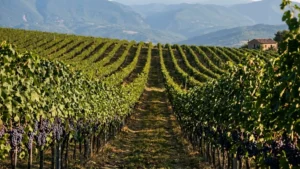
- Chieti province: Rolling hills and vineyards within 20 minutes of the coast. A strong middle ground for families wanting space without isolation, and many towns here do qualify for the 7% flat tax.
- Teramo province: Good access to the northern coast and the Gran Sasso mountains. Slightly more traditional in character — suits people who want proximity to nature and don’t mind a quieter social scene.
- L’Aquila province: Stunning, high-altitude, and wild. Ideal for serious nature lovers who want mountain views and a different climate. Note that L’Aquila province sits in Italy’s highest seismic risk zone (Zone 1), which is relevant if you’re considering a property purchase — always commission a structural survey for older buildings. L’Aquila city itself is Italy’s Capital of Culture for 2026, bringing significant investment and energy to the area.
The winter test: never commit to a village you haven’t visited in November or February. A town that feels magical in May can feel very isolated when the mountain mist rolls in and the only café is closed for the season.
Our detailed comparison of the nicest towns in Abruzzo for expats — including a comparison table covering services, car dependency, prices, and 7% flat tax eligibility — is a good starting point for this decision.
4. Housing: Slower Is Usually Safer
Housing is likely your biggest stressor — it affects your legal address, your residency registration, and your day-to-day wellbeing.
Renting first gives you tactical flexibility
You can learn which neighbourhoods feel right, whether your chosen town actually functions in winter, and whether the practical details (heating, internet, parking, services) match what you assumed from photos.
That said, long-term rentals for expats are becoming quite difficult to find and to get; that’s why purchasing first might be a good alternative.
Our guide to renting in Abruzzo covers contract types, the tightening rental market, what landlords ask expats for, and the APE energy rating warning that most people miss until their first winter heating bill arrives.
Buying from abroad without local guidance carries real risk
Italian property listings are often outdated, and terms used in ads don’t always tell the whole story.
A home can look charming online and still have administrative complications — unregistered renovations, missing habitability certificates, or unclear cadastral records — that can delay a notary meeting for months.
Full guidance in our property viewing support guide.
One honest note about the rental market: it has tightened significantly in recent years, with most coastal landlords now preferring short-term summer lets over long-term contracts.
For many expats, especially those committed to Abruzzo, direct purchase is increasingly the more practical path rather than renting first.
Never rush because a place looks cheap — low prices often reflect hidden renovation costs or administrative complications.
5. Budget for the Hidden Costs
Abruzzo is affordable, but don’t confuse “cheaper” with “simple”.
Most expats budget for rent or a mortgage but forget the friction costs:
- The car situation: Unless you’re in central Pescara, a car is not optional — it’s infrastructure. If you’re bringing a foreign vehicle, Italian re-registration must happen within 60 days of establishing residency and can cost a few hundred euros if you do it by yourself, or €1,200+ if you don’t know the process and choose the wrong partner. Sometimes, buying locally is faster and cheaper. We can assist you with the whole process or redirect you to our vetted partner.
- The tax code and utility circle: Setting up water, gas, and WiFi requires an Italian tax code (codice fiscale) and often a registered address, creating a “chicken and egg” problem that can leave you without services for weeks if you don’t handle things in the right order. Our codice fiscale guide, the utility setup guide, and WiFi setup guide cover both.
- The energy rating trap: Many older Abruzzo homes are Class F or G on the APE energy performance certificate. Heating bills in these properties can reach €250+/month in winter — a cost that doesn’t show up in any listing and surprises most newcomers. Always ask for the APE before signing.
- First-year setup costs: Stamps, registration fees, utility deposits, and the practical costs of setting up a new home typically add €500–2,000 above your ongoing monthly expenses in year one. Our full Abruzzo cost of living breakdown covers all of this in detail.
If a price sounds high — or suspiciously low — ask someone who knows the standard local rates before you commit.
6. Language and Culture: The Emotional Side of the Move
You don’t need perfect Italian to move here, but you do need humility and curiosity.
In Abruzzo, relationships are built on consistency and politeness.
Showing up with a “Buongiorno,” making an effort with names and greetings, and being patient with slower administrative rhythms opens more doors than perfect Italian grammar.
Small things feel big when everything is unfamiliar.
A supportive local guide helps with forms and appointments, but they also help with the emotional transition — knowing which supermarket has the best local produce, which neighbourhood feels right, and when a delay at the post office is “normal” versus when you need to start making phone calls.
Culture matters more than people admit
There are real differences between Italian and northern European daily life — around noise levels, queuing, invoice culture, and administrative pace — that catch people off guard in ways that have nothing to do with paperwork.
Our honest post on cultural differences for German movers specifically covers these frankly, and much of it applies equally to British, American, and Australian movers.
Feeling connected to your neighbours is what turns a house into a home.
That connection builds slowly, through repeated small interactions — and it’s one of the most consistently cited reasons why expats who make it through the first six months end up staying for decades.
7. The 90-Day Blueprint: The Right Sequence
The move is only the beginning. To avoid the chaos, sequence your first 90 days with precision.
Each step enables the next:
- Codice Fiscale: Your administrative master key. You can’t sign a lease or a deed, open a bank account, set up utilities, or register with the health service without it. Apply as early as possible — ideally before arrival or on day one. Full guide here.
- Legal housing with a registered contract: A formally registered lease (contratto registrato all’Agenzia delle Entrate) is required for residency registration and utility setup. An unregistered contract won’t be accepted. Make sure your landlord is also willing to authorise residency registration at the property — some explicitly refuse.
- Residency application at the Comune: Filed at the local Ufficio Anagrafe. This starts the clock on your legal stay and unlocks healthcare, resident utility rates, and many other local services. A home verification visit follows within 45 days — make sure your name is on the letterbox. Full guide here.
- Utilities and WiFi: Set up once you have a confirmed address and codice fiscale in place. Internet quality varies significantly by property and area — check actual availability at your specific address before committing. Setup guide here.
- Bank account: Most Italian banks require a codice fiscale and Italian address. Digital banks (N26, Revolut, Wise) are faster as a bridge while traditional accounts are being set up. Our bank account opening support service helps with the in-person process.
- Healthcare registration (Tessera Sanitaria): Once residency is confirmed, register at your local ASL office Scelta e Revoca desk to access the national health service and choose a local General Practitioner. You’ll receive a temporary paper certificate the same day. Full guide here.
- CIE (Italian identity card): Apply at your Comune Anagrafe office once residency is registered. The CIE doubles as your digital identity credential for all online public services — more useful going forward than SPID, which is being phased out.
Why does keeping printed documents help
Italy still loves paper.
Keep a physical folder with copies of everything:
- passports
- housing contracts
- income proof
- appointment receipts
- and any translated documents
If it’s not on paper with a stamp, it often doesn’t exist in the system.
Our full first month in Abruzzo checklist lays this out week by week, including timing notes for non-EU citizens (permesso di soggiorno must be applied for within 8 days of arrival) and practical tips that don’t appear in any official guide.
—
Ready to Move to Abruzzo — With Support, Not Guesswork?
The best time to ask for relocation support is not after the paperwork has gone wrong.
Whether you need a trusted housing search, residency registration, utility setup, or just someone to explain the next step in plain English or German, we’re here before it becomes overwhelming.
At Wanderlust Abruzzo, we support English- and German-speaking expats through every practical stage of relocating to Abruzzo — personally, bilingually, and on the ground.
Get in touch today and let’s talk about your move to Abruzzo.
—
Frequently Asked Questions
Do I need to speak Italian to move to Abruzzo?
Not perfectly, but you need the basics — and, more importantly, the willingness to try. In Abruzzo, relationships are built on effort and consistency. If your Italian is limited, having a bilingual local advocate for administrative appointments is genuinely non-negotiable: forms are in Italian, office staff may not speak English, and misunderstandings at the counter can cost you days of wasted trips.
Is Abruzzo cheaper than Tuscany?
Significantly. From property prices to the daily espresso, your money goes much further in Abruzzo. However, “cheaper” doesn’t mean “easier” — the bureaucracy is equally present everywhere in Italy. The difference is that in Abruzzo, the price of local knowledge and support is lower than in the more heavily trafficked expat regions. See our full Abruzzo vs Tuscany comparison.
Do I need a car in Abruzzo?
Unless you live in central Pescara, yes — and it’s worth planning for this from the start rather than discovering it after arrival. Public transport exists but is limited, especially in inland and smaller coastal areas. Abruzzo’s appeal is partly its varied landscape, and most of that landscape requires a car to access regularly.
Can I drive with my home country’s driving licence?
For a limited period, yes. EU licence holders can drive in Italy indefinitely with their home country licence but must convert it after establishing Italian residency if the licence has an unlimited validity time. Instead, if it has a specific end validity date, then they need to get the Italian driver’s license once expired. Non-EU holders (US, UK, Australian, etc.) can typically use a foreign licence for up to 12 months after registering residency, after which they must convert or take an Italian driving test. Importing a car from outside the EU involves additional complexity — buying locally is almost always simpler and often cheaper.
Is Abruzzo safe?
Yes. Abruzzo has consistently low crime rates by Italian and European standards — Italy ranks 33rd on the 2025 Global Peace Index, and Abruzzo sits well below even Italy’s already-low national average. The more relevant “safety” concern for most expats is having their paperwork in the right order so they don’t face administrative or financial complications from avoidable mistakes.
What is the “DIY trap”?
It’s the belief that you can manage Italian bureaucracy entirely with Google Translate and determination. In practice, it often leads to missed residency deadlines, incorrect documents at appointments, delays that block every subsequent step, and costs that could have been avoided with a short briefing from someone who already knows the local system. The trap isn’t unique to Abruzzo — but it’s particularly easy to fall into when you’re managing everything remotely or in a second language.
What’s the most important thing to do before I arrive?
Get your codice fiscale sorted — either by visiting Italy before your move or through a delegation service. It’s the first step everything else depends on, and waiting until you arrive to start the process means your lease signing, utility setup, and bank account can all be delayed while you wait. Our essential documents guide covers the full pre-arrival checklist in detail.

 English
 Deutsch