
How to Arrange Home Internet in Abruzzo Easily

Learn how to arrange home internet in Abruzzo — coverage checks, providers compared (TIM, WindTre, Eolo, Starlink, Micso), installation, and getting help in Italian.
Waste Collection in Abruzzo: A Practical Guide for Expats
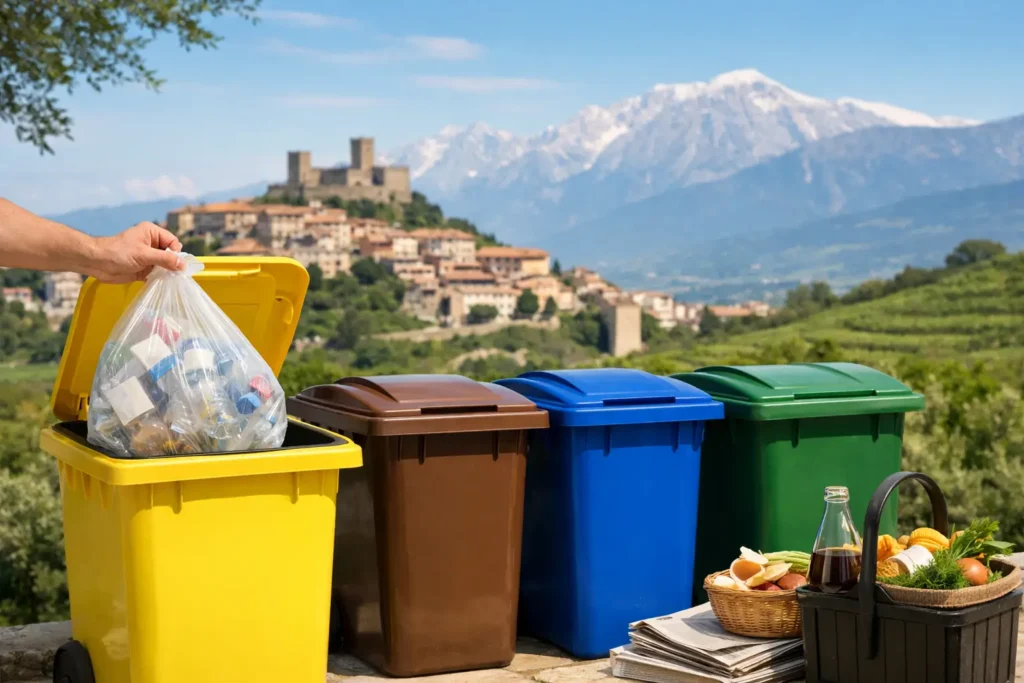
Waste collection Abruzzo guide for expats: how bins, schedules, recycling rules, TARI tax, and the Junker app work, so settling in feels simpler and faster.
Remote Work Move to Abruzzo: What to Know
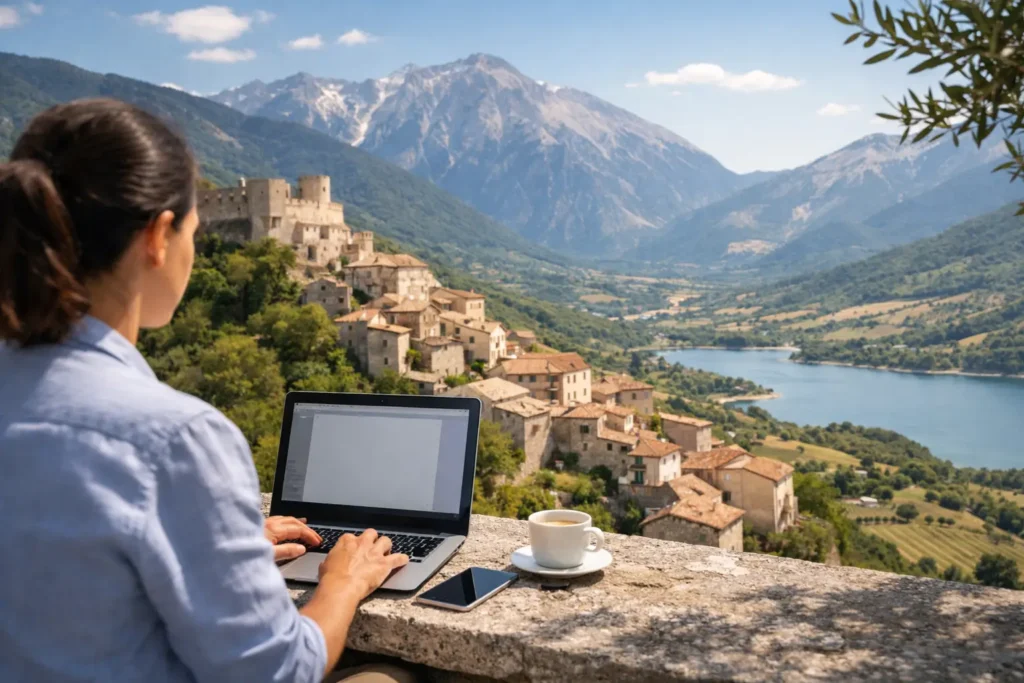
Planning a remote work move to Abruzzo? Learn what daily life, housing, WiFi, paperwork, and settling in really look like before you relocate.
How to Open an Italian Bank Account: Abruzzo Expat Guide

Learn how to open Italian bank account step by step, which documents you need, common delays, and what expats should expect in Italy.
Italy Utility Setup for Expats Made Simple
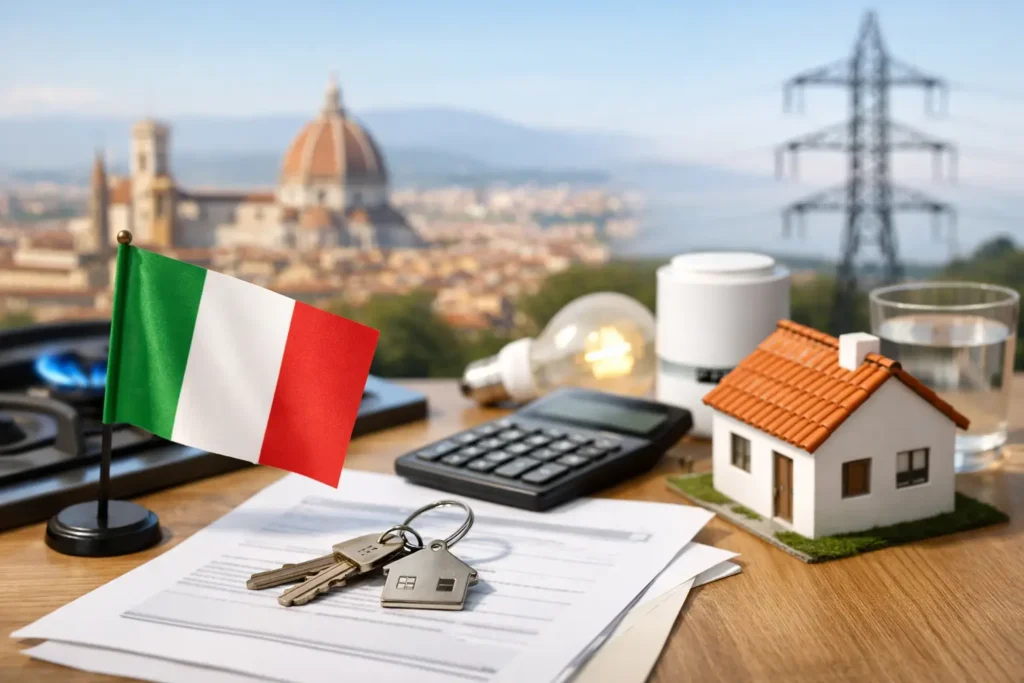
Don’t get stuck in the “Dark Age”. Learn how to set up electricity, gas, and water in Italy, understand Voltura vs. Subentro, and avoid utility delays.
How to Set Up WiFi in Italy Without Stress
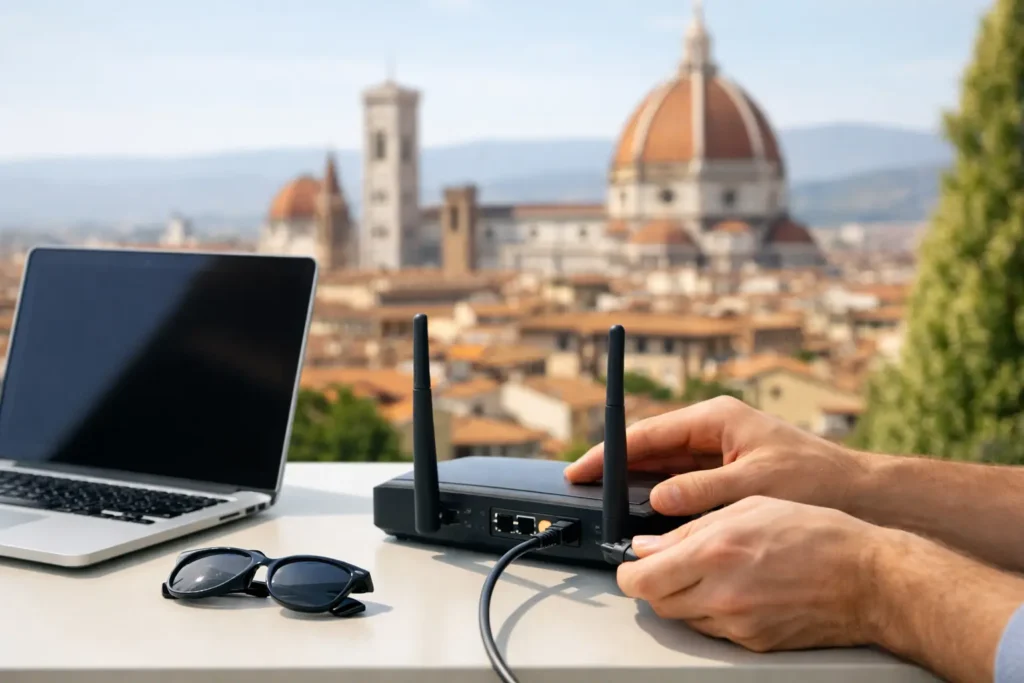
Learn how to set up WiFi in Italy, what documents you may need, how long it takes, and how to avoid common setup problems as a new expat.
Relocating to Abruzzo, Italy: 5 Realities the Guides Won’t Tell You
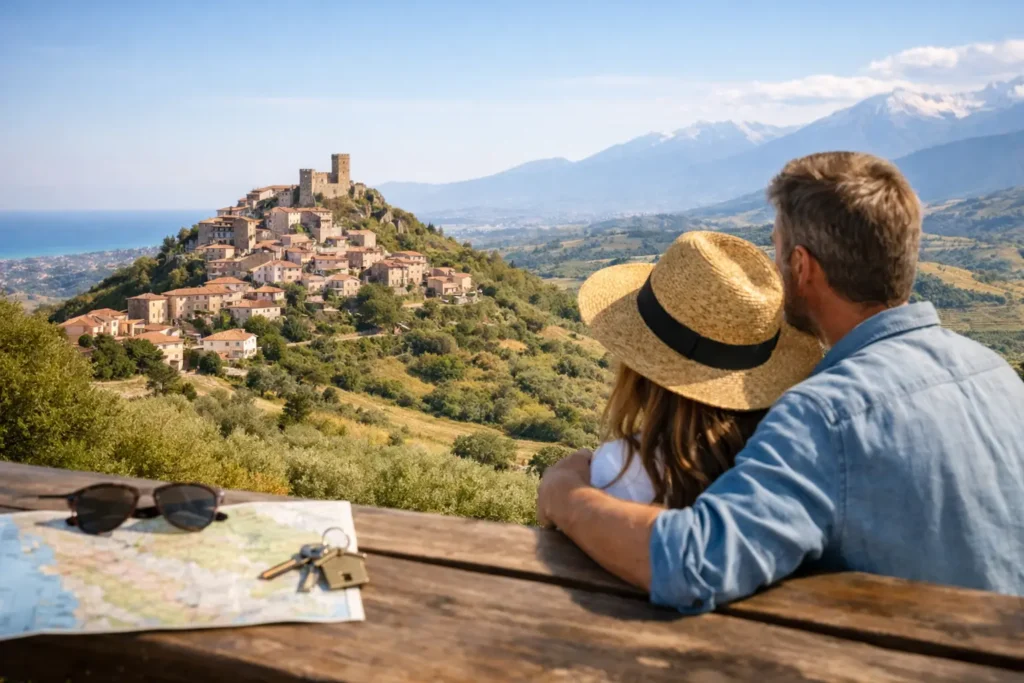
Relocating to Abruzzo, Italy? Learn what to expect with housing, visas, residency, costs, and daily life so your move feels calmer and clearer.
Moving to Abruzzo: Why Doing It Alone Costs More Than You Think
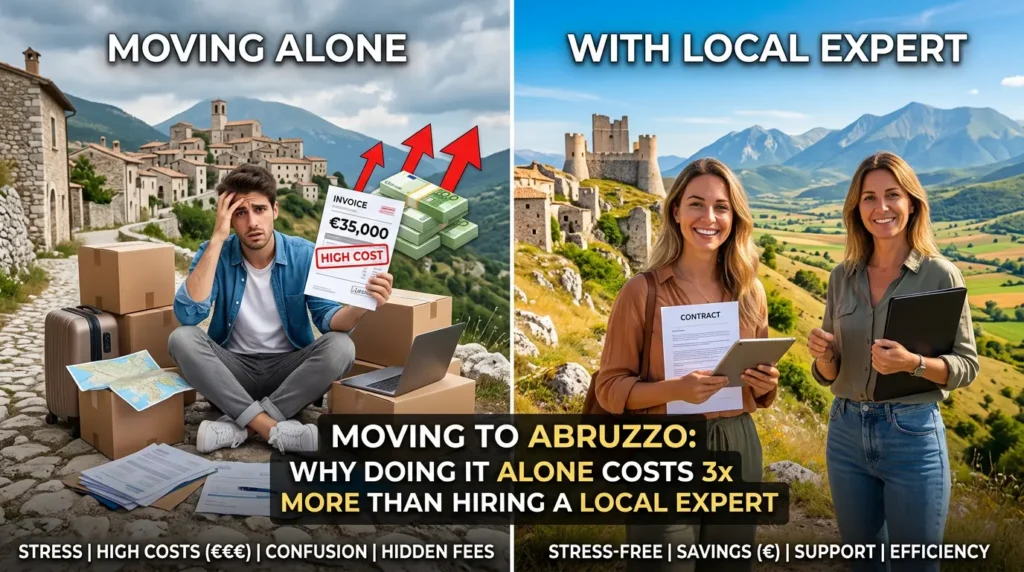
Quick answer: The real cost of a DIY move to Abruzzo includes wasted flights to view ghost listings, utility contracts with hidden add-ons you didn’t understand, delays from arriving without a codice fiscale, TARI fines from unregistered waste tax, and months of extra temporary accommodation while paperwork stalls. None of these are dramatic disasters — they’re ordinary, avoidable mistakes that compound quickly. Bilingual local support doesn’t add cost to your move; it removes the cost of getting these things wrong. You’ve spent months on Idealista and Immobiliare.it, mapped out villages near Pescara, considered the hills of Chieti province, and read every expat forum thread about life in Abruzzo. You’ve told yourself: “I can handle the move myself — how hard can it be to sign a lease and get the lights turned on?” It’s a very common thought. And it’s where the “Inexperience Tax” starts. In Italy, what you don’t know costs money — not just in stress, but in hard currency. Here’s an honest look at what the solo approach actually costs, versus what working with local, bilingual support looks like in practice. The Wasted Trip: Ghost Listings and Silent Agents The solo approach You find ten properties online and book flights to Abruzzo for a week. You email agents in English. Two reply. When you arrive: one property is already sold one looks nothing like the photos and the remaining viewings are scheduled in inconvenient locations without a car you’ve properly accounted for You’ve spent €1,200–1,800 on flights, accommodation, and car rental for zero usable results. This isn’t bad luck — it’s a structural feature of how the Abruzzo property market works. Local agents prioritise phone calls in Italian with buyers who can move quickly. International email enquiries, especially in English, often go unanswered simply because they require more effort and less certainty of result. As we explain in our guide to finding housing in Abruzzo, many of the best properties never even make it onto portals. They’re handled through local calls and relationships. The supported approach We make the calls in Italian before you book anything. Our digital property finder service pre-screens listings against your actual criteria. Not just price and size, but heating systems, internet availability, APE energy rating, and practical daily-life fit. Where useful, we can conduct a live video walkthrough before you travel. When you do fly, you’re seeing a shortlist of realistic options, not chasing listings that were already gone. The Utility Confusion and the Contract You Didn’t Fully Understand The solo approach You manage to reach a utility provider — eventually. The call is in rapid Italian and you catch about 60% of it. You agree to what sounds like a reasonable deal. Six months later, you realise you’re paying for a maintenance add-on you never wanted, or an insurance product that was bundled in during a conversation you couldn’t fully follow. Or the introductory rate you signed up for has risen significantly because the contract term you agreed to was different from what you assumed. This is one of the most common hidden costs of a solo move. Not a scam, just a communication gap that has financial consequences. The supported approach We don’t sign contracts on your behalf — you remain the decision-maker. But we stand with you through every call and appointment, translate the fine print, flag unusual clauses, and help you choose providers with straightforward terms. Our utilities setup support service covers electricity, gas, water, and internet — the four things that determine whether your first weeks in Abruzzo feel manageable or chaotic. More on what to expect in our Italy utility setup guide. The Codice Fiscale Catch-22 The solo approach You arrive in Abruzzo ready to start your life. You go to buy a SIM card. They ask for your codice fiscale. You head to the Agenzia delle Entrate, wait in a queue, discover you don’t have the right form completed in advance, and spend the rest of the day sorting it out. Meanwhile, the rental contract you wanted to sign is on hold, and the agent is starting to look at other requests. This happens regularly — and it’s entirely avoidable. Without the codice fiscale, you cannot: sign a lease or buy a property open a bank account set up utilities or register with the health service It sits at the front of a chain, and delays there ripple into everything that follows. The supported approach We assist you with our codice fiscale support service, either by: setting the appointment and accompanying you to the Agenzia delle Entrate in Abruzzo during a pre-move visit or redirecting you to our authorised delegation partner Italy Law Firms (ILF), if you’re still abroad You arrive on day one with your tax code already in hand and can move immediately on housing, utilities, and banking. Full details in our step-by-step codice fiscale guide. The Paperwork That Nobody Warned You About The solo approach A few months after arrival, a notice arrives from the Comune. The TARI (waste tax) for your property hasn’t been registered. There’s a fine. You also discover your lease wasn’t formally registered at the Agenzia delle Entrate — which means it can’t be used as proof of address for residency registration, and your residency application has stalled. The 45-day home verification window passed while you were travelling and the Local Police (Polizia Municipale) couldn’t reach you. You need to restart. None of these are dramatic failures — they’re the ordinary costs of navigating an unfamiliar system without someone to explain the sequence. The supported approach We walk you through the correct order: codice fiscale → registered lease → residency registration → utilities → bank → health service. We assist you with the TARI registration, accompany you to the town hall (Comune) for residency registration, and make sure the home verification visit happens smoothly — including ensuring your name is
Living in the Italian Countryside: The Beauty and Reality of it

Quick answer: Living in the Italian countryside is genuinely beautiful — and genuinely more complicated than Instagram suggests. Expect unreliable internet in many rural areas, occasional power cuts and water interruptions, a car as a non-negotiable, and a pace of life that rewards patience. For the right person, with realistic expectations, it’s one of the most rewarding lifestyle changes you can make. For someone who needs everything to work seamlessly, it can become exhausting fast. Moving to the Italian countryside sounds like a dream. Rolling hills, olive groves, the smell of wood smoke on a cold morning, church bells at seven. And it really is all of that. But rural life in Italy can be a little more complicated than the photos suggest — and the things that surprise people most are rarely the dramatic ones. They’re the small, daily realities that don’t make it into the highlight reel. The frozen video call. The tap that produces nothing at nine in the morning. The twenty-minute drive for a loaf of bread. This is not a post to put you off. It’s a post to help you go in with open eyes — because the people who love countryside life in Italy are almost always the ones who knew what they were signing up for. The Internet Situation Is Real Yes, you’ll have more space, fresh air, and fewer neighbours. What you may not have — at least not reliably — is a decent internet connection. If you work remotely, this is the first thing to investigate, and not just with the provider’s coverage map. As The Local’s guide to rural Italian life puts it bluntly: cable coverage is poor in many rural areas, and you often only find out once it’s too late. Contracts can start before the connection works, and cancelling early means fines. Nobody warns you that the infrastructure in your area won’t be upgraded because there aren’t enough clients to justify it. Fibre is available in some towns and expanding — Italy has been investing in rural digital infrastructure — but in many smaller villages, connectivity is still a patchwork. Options include: Fibre optic — available in some comuni, not all; check your specific address, not just the town Internet via radio frequency (FWA) — this is the option many rural residents end up using, and in a lot of areas, it works surprisingly well Mobile data as a backup — coverage from providers like TIM, Vodafone, and WindTre is decent in many rural areas, though not universal in very remote spots The practical advice: before you sign a lease or put in an offer, test the actual connection at the specific property. Ask the current or previous occupants what they use and whether it’s reliable. Don’t assume — verify. Power Cuts and Water Interruptions Are Part of the Rhythm Another reality that surprises newcomers: occasional planned interruptions to the electricity and water supply. The upside is that municipalities usually announce these in advance — a notice posted in the village a day or two before, listing the date and approximate timeframe of the disservizio (service interruption). Twice a year or so, you may spend part of a day without electricity. Repairs, maintenance, storms, and sometimes no explanation at all. Water is the same. Turn on the tap at nine in the morning, and nothing comes out. It might stay that way for six hours. In high summer, water pressure in some areas drops noticeably as usage increases. This isn’t a crisis — it’s a manageable feature of rural life. But it does require a mindset shift. You learn to fill a pot of water before bed when you suspect an interruption might be coming. You keep a phone battery topped up. You learn to laugh about it rather than fight it, because fighting it doesn’t help. For remote workers specifically, having a backup plan matters: a fully charged laptop, a mobile hotspot, and ideally a coworking space or café in a nearby town you can head to when things go down. Distances and Transport: A Car Is Not Optional Need a larger supermarket, a hospital, the post office, or an office appointment? In most rural areas, it’s a drive away. Public transport exists in some villages — a bus stop, a timetable — but as Italian Property Kit’s research confirms, public transport in rural Italy ranges from adequate to virtually nonexistent depending on your location. In Abruzzo specifically, this varies significantly between areas. Coastal and better-connected towns have more transport options. Many inland and mountain villages effectively require a car for daily life — not just for occasional trips, but for grocery runs, medical appointments, school, and work. This is worth accepting early rather than discovering gradually. A car is a real cost: fuel, insurance, maintenance, and, in some areas, parking fees. Factor it into your budget from the start. The good news is that driving in rural Abruzzo often means roads with almost no traffic, mountain views that genuinely make you pull over, and a sense of freedom that’s hard to replicate in a city. The drive becomes part of life, not just an inconvenience. The Community Is Close — in Every Sense One thing that often surprises people about small Italian communities is how visible you become. As Idealista’s guide to Italian village life notes, settling into village life is like joining a large, slightly chaotic family — people genuinely look out for each other, and your business becomes, well, public knowledge. That’s not as alarming as it sounds. In practice, it means the neighbour who notices your car hasn’t moved for two days might knock to check you’re alright. It means the woman at the bread shop remembers what you usually buy. It means someone will tell you, unprompted, that the butcher on the main road is better than the one near the car park. Trust builds through repetition, not introductions. Show up at the
 English
 Deutsch