
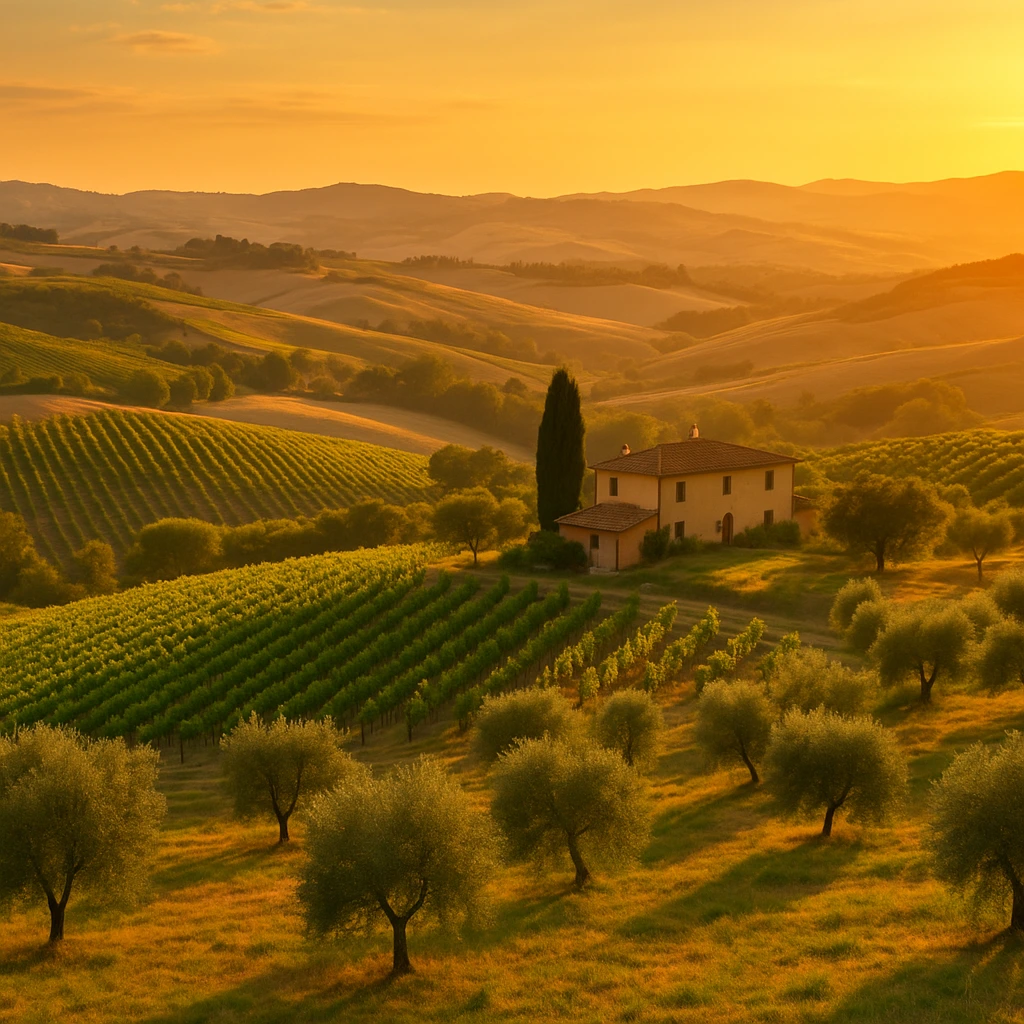
Moving to the Italian countryside sounds like a dream.
Rolling hills, olive groves, the smell of wood smoke on a cold morning, church bells at seven.
And it really is all of that.
But rural life in Italy can be a little more complicated than the photos suggest — and the things that surprise people most are rarely the dramatic ones.
They’re the small, daily realities that don’t make it into the highlight reel.
The frozen video call.
The tap that produces nothing at nine in the morning.
The twenty-minute drive for a loaf of bread.
This is not a post to put you off.
It’s a post to help you go in with open eyes — because the people who love countryside life in Italy are almost always the ones who knew what they were signing up for.
The Internet Situation Is Real
Yes, you’ll have more space, fresh air, and fewer neighbours.
What you may not have — at least not reliably — is a decent internet connection.
If you work remotely, this is the first thing to investigate, and not just with the provider’s coverage map.
As The Local’s guide to rural Italian life puts it bluntly: cable coverage is poor in many rural areas, and you often only find out once it’s too late.
Contracts can start before the connection works, and cancelling early means fines.
Nobody warns you that the infrastructure in your area won’t be upgraded because there aren’t enough clients to justify it.
Fibre is available in some towns and expanding — Italy has been investing in rural digital infrastructure — but in many smaller villages, connectivity is still a patchwork.
Options include:
- Fibre optic — available in some comuni, not all; check your specific address, not just the town
- Internet via radio frequency (FWA) — this is the option many rural residents end up using, and in a lot of areas, it works surprisingly well
- Mobile data as a backup — coverage from providers like TIM, Vodafone, and WindTre is decent in many rural areas, though not universal in very remote spots
The practical advice: before you sign a lease or put in an offer, test the actual connection at the specific property.
Ask the current or previous occupants what they use and whether it’s reliable.
Don’t assume — verify.

Power Cuts and Water Interruptions Are Part of the Rhythm
Another reality that surprises newcomers: occasional planned interruptions to the electricity and water supply.
The upside is that municipalities usually announce these in advance — a notice posted in the village a day or two before, listing the date and approximate timeframe of the disservizio (service interruption).
Twice a year or so, you may spend part of a day without electricity.
Repairs, maintenance, storms, and sometimes no explanation at all.
Water is the same.
Turn on the tap at nine in the morning, and nothing comes out.
It might stay that way for six hours.
In high summer, water pressure in some areas drops noticeably as usage increases.
This isn’t a crisis — it’s a manageable feature of rural life.
But it does require a mindset shift.
You learn to fill a pot of water before bed when you suspect an interruption might be coming.
You keep a phone battery topped up.
You learn to laugh about it rather than fight it, because fighting it doesn’t help.
For remote workers specifically, having a backup plan matters: a fully charged laptop, a mobile hotspot, and ideally a coworking space or café in a nearby town you can head to when things go down.
Distances and Transport: A Car Is Not Optional
Need a larger supermarket, a hospital, the post office, or an office appointment?
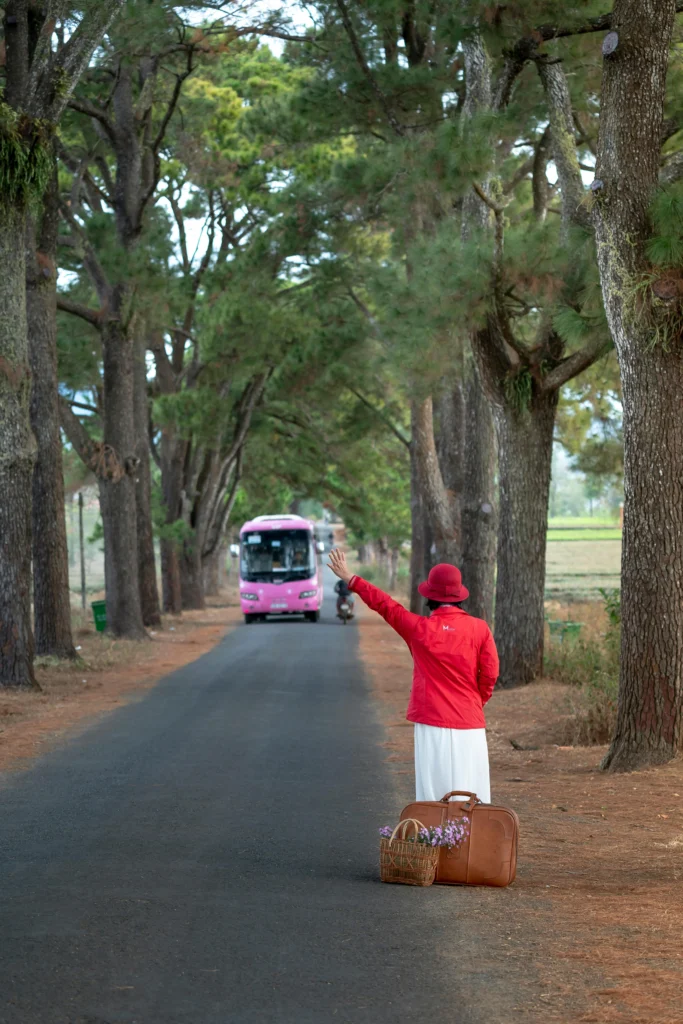
In most rural areas, it’s a drive away.
Public transport exists in some villages — a bus stop, a timetable — but as Italian Property Kit’s research confirms, public transport in rural Italy ranges from adequate to virtually nonexistent depending on your location.
In Abruzzo specifically, this varies significantly between areas.
Coastal and better-connected towns have more transport options.
Many inland and mountain villages effectively require a car for daily life — not just for occasional trips, but for grocery runs, medical appointments, school, and work.
This is worth accepting early rather than discovering gradually.
A car is a real cost: fuel, insurance, maintenance, and, in some areas, parking fees.
Factor it into your budget from the start.
The good news is that driving in rural Abruzzo often means roads with almost no traffic, mountain views that genuinely make you pull over, and a sense of freedom that’s hard to replicate in a city.
The drive becomes part of life, not just an inconvenience.
The Community Is Close — in Every Sense
One thing that often surprises people about small Italian communities is how visible you become.
As Idealista’s guide to Italian village life notes, settling into village life is like joining a large, slightly chaotic family — people genuinely look out for each other, and your business becomes, well, public knowledge.
That’s not as alarming as it sounds.
In practice, it means the neighbour who notices your car hasn’t moved for two days might knock to check you’re alright.
It means the woman at the bread shop remembers what you usually buy.
It means someone will tell you, unprompted, that the butcher on the main road is better than the one near the car park.
Trust builds through repetition, not introductions.
Show up at the same places, greet people consistently, and be patient.
The communities that feel closed off at first tend to open up slowly and warmly.
You can read more about what the people of Abruzzo are actually like and what to expect from social integration in the first months.
The Trade-Offs Are Real — and Worth Knowing in Advance
Countryside life in Italy is both magical and genuinely demanding.
Here’s how the trade-offs tend to play out:
- You’ll swap fast internet for uninterrupted views and actual silence at night
- You’ll deal with occasional power cuts, but wake up to birdsong rather than traffic
- You’ll drive more, but discover towns and roads most tourists never see
- You’ll have fewer services within reach, but the ones that exist will feel more personal
- You’ll need more patience for systems and timing, but you’ll move through days at a pace that starts to feel genuinely sustainable
The people who thrive in the Italian countryside are not those with the most patience or the most money.
They’re the ones who came prepared.
They asked the practical questions before signing.
They built in flexibility.
They chose their location based on weekly life, not weekend visits.
And they gave themselves permission to find it hard at the beginning without reading that as a sign they’d made the wrong choice.
Practical Advice Before You Make the Move
If you’re seriously considering rural life in Abruzzo or anywhere in the Italian countryside, here’s what actually helps:
- Check the internet before you commit — test the actual connection at the property, not just the town
- Ask about heating and insulation — older rural properties can be expensive to keep warm in winter
- Plan for outages — a power bank, a mobile hotspot, and a backup location for urgent work are worth having
- Accept the car as part of the budget — it’s not optional in most rural areas
- Visit in a quieter season — see what the area is like in November or February, not just August
- Build a buffer into your budget — rural setup costs can be higher than people expect, and the transition period always costs more than the steady state
For anyone considering whether to live in a city or village in Abruzzo, the honest answer is that rural life works best when it’s a deliberate choice rather than a romantic assumption.
The same applies to what you should know before moving to Abruzzo more broadly — the more realistic your picture going in, the more you can actually enjoy what the place has to offer.
Is It Worth It?
For the right person, genuinely yes.
The Italian countryside offers something increasingly rare: a life that feels connected to seasons, community, and place.
- Mornings that belong to you.
- Food that tastes the way it should.
- Evenings without city noise.
- A sense that you’ve chosen a way of life, not just a postcode.
But the magic works best when it’s sitting on top of solid, practical foundations.
- When the internet works well enough to do your job.
- When you know how to handle the interruptions.
- When you’ve chosen a home that keeps you warm in January.
That preparation is the part people often skip.
It’s also the part that makes everything else enjoyable rather than exhausting.
—
Thinking About Rural Life in Abruzzo and Want to Get It Right?
Helping people find the right location — not just the most beautiful one — is one of the most valuable things we do.
Whether you’re drawn to a hillside farmhouse, a village house in the mountains, or somewhere quieter than the coast, we can help you understand what daily life actually looks like before you commit.
At Wanderlust Abruzzo, we support English- and German-speaking expats through every practical stage of the move — from finding the right property and checking the things that matter, to residency, utilities, and feeling genuinely settled.
Get in touch today and let’s talk about your move to Abruzzo
—
Frequently Asked Questions
Is the internet reliable in the Italian countryside?
It depends heavily on the specific location and property. Fibre is available in some towns but not in many smaller villages. Radio frequency internet (FWA) is a common alternative in rural areas and often works well. Mobile data can provide a useful backup. The key is to test the actual connection at the specific property before signing anything — don’t rely on coverage maps or provider promises.
Are power cuts common in rural Italy?
Occasional planned interruptions happen a few times a year in many rural areas — usually for maintenance or repairs, announced a day or two in advance via notices in the village. Unplanned outages from storms or faults also occur. Having a backup power bank, a fully charged laptop, and a mobile hotspot covers most situations. It’s an inconvenience rather than a crisis, but it does require a practical adjustment.
Do you need a car to live in the Italian countryside?
In almost all rural and inland areas of Abruzzo, yes, a car is essential rather than optional. Most essential services, supermarkets, medical facilities, and appointments require driving. Public transport in rural Italy is limited and often operates on schedules that don’t align with everyday needs. Budget for a car, fuel, and insurance as a fixed cost of rural life.
What are the biggest challenges of living in the Italian countryside?
Internet reliability, occasional infrastructure interruptions (electricity and water), transport dependence, and the adjustment to slower local rhythms and services. Older properties can also be expensive to heat in winter if they lack good insulation. None of these are insurmountable, but they’re all more manageable when you know about them in advance and plan accordingly.
Is rural life in Abruzzo suitable for remote workers?
Yes, with the right setup. Confirm reliable internet at the specific property before committing. Have a backup plan for outages. Consider proximity to a town with a café or coworking space for days when the connection drops. With those foundations in place, rural Abruzzo offers remote workers an exceptional quality of life — the kind of focus, quiet, and scenery that’s genuinely hard to find elsewhere.

 English
 Deutsch