

The fantasy usually starts with a hill town, a sea view, and lunch that somehow lasts three hours.
The stress starts later — when you realise you need a tax code, a rental contract that makes sense, working WiFi, and an answer to the very basic question of where to begin.
If you’re thinking about relocating to Abruzzo, Italy, it helps to picture the move for what it really is.
Not just a lifestyle change, but a series of practical steps inside a system that can feel unfamiliar, slow, and hard to read from abroad.
The good news is that Abruzzo can be a wonderful place to build a life.
The better news is that the move gets much easier when you know where the friction usually shows up.
Why Relocating to Abruzzo Appeals to So Many People
Abruzzo attracts people who want Italy without the constant pressure, pricing, and pace of the better-known regions.
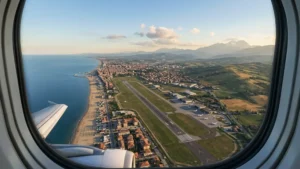
You can live near the Adriatic, drive into the mountains on the weekend, and still find towns where daily life feels grounded and local rather than curated for visitors.
For many expats, Abruzzo offers a version of Italy that still feels real.
You get space, beauty, strong food culture, and a lower cost of living than places like Tuscany or Milan.
In many areas, housing is more accessible, and the rhythm of life is gentler.
But this is also where expectations need a little adjustment:
- “Affordable” does not automatically mean “easy”
- Lower property prices can come with renovation needs, limited inventory in your preferred area, or contracts that require careful interpretation
- A peaceful lifestyle can also mean fewer English- or German-speaking service providers and more reliance on local relationships
Abruzzo also offers a meaningful financial incentive for retirees: many of its towns fall under the 30,000-resident threshold for Italy’s 7% flat tax for foreign pensioners, which can make the region more financially attractive than Portugal, Spain, or most of northern Europe for people with foreign pension income.
Following a 2026 law change, this now includes towns like Sulmona, Francavilla al Mare, and Ortona that were previously ineligible.
1. The First Decisions That Shape Your Move
Before booking movers or choosing furniture, get clear on the framework of your relocation.
- Are you moving full-time, part-time, or testing the region first?
- Are you retiring, working remotely, starting a business, or joining family?
Your answers affect almost everything that follows, from visa planning to where you should look for housing.
The Location matters more than many people expect.
Living in a coastal town brings a very different experience from living inland or in the mountains:
- Places around Pescara may feel more practical if you want transport connections, access to services, and a softer landing as a newcomer. Worth knowing: Pescara’s population (~120,000) makes it ineligible for the 7% flat tax — if that incentive matters to your planning, nearby smaller towns are worth comparing. Our best Abruzzo villages for expats guide covers this decision in detail.
- Smaller towns can be deeply rewarding, but they often require more patience, more Italian, and more willingness to drive for everyday errands.
It also helps to be honest about your lifestyle needs.
Some people are happy with quiet streets and limited shopping if they have a beautiful home and a close-knit community.
Others need reliable train access, coworking options, or nearby international airports.
There is no right answer — only the one that fits your real daily life.
The Strategic Choice: Coast, Hills, or Mountains?
Your experience of relocating to Abruzzo will be shaped significantly by which province you choose.
Be honest about your non-negotiables.
If you need high-speed fibre for remote work or regular airport access, a remote stone cottage may be a romantic mistake.
Our comparison of Abruzzo towns for expats — with a table covering services, car dependency, prices, and 7% tax eligibility — is a good starting point.
Here’s a quick overview, anyway:
The coast (Pescara/Chieti province)
Better internet, year-round services, and easier transport.
If you aren’t confident in Italian yet, this is your most practical landing zone.
Francavilla al Mare, Ortona, Silvi, and Pineto offer coastal access with 7% flat tax eligibility, at lower prices than Pescara itself.
The foothills (Teramo/Chieti inland)
The postcard life — vineyards, olive groves, and hilltop sunrises.
Genuinely beautiful and often very affordable.
A car is essential for everything, and “popping to the shops” becomes a 20-minute drive.
Many towns here qualify for the 7% flat tax.
The mountains (L’Aquila/Maiella area)
Rugged beauty, real seasons, and genuine quiet.
Perfect for people who specifically want that — not so much for those who assumed “rural” meant “mild”.
Winters are cold, heating costs in older buildings are significant, and some areas carry seismic risk that’s worth researching before any property purchase.
L’Aquila is Italy’s Capital of Culture for 2026, bringing notable investment and energy to the area.
2. Housing in Abruzzo: Charming, Yes — But Not Always Simple
Housing is often where the dream and the paperwork first collide.
Photos online can be misleading, rental terms can vary, and what looks straightforward from abroad may feel much less clear once documents are involved.
Renting first is often the calmer choice
Especially if you’re new to the region, renting first gives you time:
- to learn the area
- to understand how different towns feel across seasons
- and to avoid rushing into a purchase based on holiday impressions
Many newcomers imagine they want a tiny historic village until they realise they also want parking, central heating, and a grocery store that stays open year-round.
One honest caveat: the long-term rental market in Abruzzo has tightened significantly in recent years, with most coastal landlords now preferring short-term summer lets.
Finding a good long-term rental takes more effort than it used to, and some expats find that direct purchase is the more practical path.
Our rent vs buy guide for Abruzzo covers both sides honestly.
If you’re buying, due diligence matters
Low purchase prices can hide significant future costs, especially in older homes.
Renovation timelines, utility status, insulation quality, and legal paperwork all deserve close attention before any offer.
A property’s APE energy rating (legally required in every listing) is one of the most important things to check.
Older homes rated Class F or G can cost €250+/month to heat in winter.
Our guide to property viewings in Abruzzo and the 5 costly mistakes expats make during house visits cover what to look for and what to avoid.
On the rental side, expect documentation requests and some back-and-forth around contracts, deposits, and proof of income.
What landlords ask expats for can feel more demanding than in the US or in northern European rental markets, and language barriers can turn a normal process into an exhausting one if you’re managing it alone.
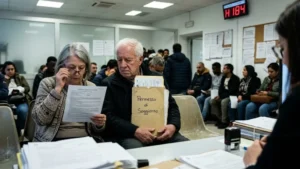
3. Bureaucracy Is the Real Move
Most people don’t struggle with the idea of moving to Italy.
They struggle with the sequence.
You may need:
- a visa
- a codice fiscale
- residency registration
- health system enrollment
- a local bank account
- and updated records across multiple offices that do not always communicate with each other
Each step can depend on the one before it.
If one document is missing, translated incorrectly, or presented at the wrong moment, the whole process can stall.
The correct sequence is:
codice fiscale → registered lease → residency registration → utilities → bank account → health card
Doing these out of order creates the circular dependencies that catch most people off guard.
Our essential documents for Italy relocation guide and first month in Abruzzo checklist cover both the documents and the sequence in detail.
This is why relocating to Abruzzo often feels emotionally heavier than expected.
You’re not only adapting to a new place.
You’re making high-stakes decisions in a language you may not fully understand, inside procedures that are not always intuitive.
None of this means the system is impossible.
It means preparation matters, and local guidance at the moments where things typically stall is worth far more than its cost.
4. Daily Setup Is Where Stress Sneaks In
Even after you arrive, the practical work continues.
These tasks sound small until you’re dealing with them all at once while also trying to settle emotionally.
- Utilities: Setting up water, gas, and electricity often requires a physical visit or a long phone call in rapid Italian. Provider choice matters too — some contracts include add-ons that are easy to agree to without realising, and energy prices vary significantly. Our Italy utility setup guide covers the process, and our utilities support service handles it with you.
- Digital identity (CIE): To interact with any government portal online, you need a digital identity credential. The Italian government has confirmed that SPID is being gradually phased out in favour of the CIE (Carta d’Identità Elettronica — the electronic identity card), which is free, government-issued, and accepted on over 80% of public portals. Setting it up as a new resident takes a few steps but is worth prioritising early. Our health card guide covers how the CIE connects to online public services.
- Waste tax (TARI): Every town hall (Comune) has its own rules for recycling and the TARI (annual waste tax). Missing registration doesn’t just mean a fine — it means a confusing trip to the town hall to sort it out retroactively. Our waste collection guide for Abruzzo covers what to expect by municipality.
New arrivals consistently underestimate how tiring this stage is.
You’re building a life from zero, and the smallest delay can feel significant when basic services are involved.
Knowing who to call, how to explain a problem clearly in Italian, and which office is actually responsible can cut through days of confusion — which is exactly what local relocation support is designed for.
5. The Cost of Living Question
People are often drawn to Abruzzo because they believe life will be cheaper — and in many ways, that is true.
Rent and purchase prices can be lower than in more internationally recognised Italian regions.
Eating locally and seasonally is genuinely affordable.
Many everyday pleasures here do not require a large budget.
Still, your real cost of living depends on how you live.
The full Abruzzo cost of living breakdown covers the specifics, but in summary:
- Groceries: Exceptional value at local markets — budget around €300–400/month for a couple eating well and seasonally.
- Dining out: A full meal with wine at a local trattoria typically costs €15–30 per person. Daily espresso: around €1.10.
- Utilities: Often higher than expats expect. Heating an older stone house in winter can cost €200–300/month or more if the property has a poor APE energy rating. Always ask for the certificate before signing anything.
- Transport: A car is essential in most areas outside central Pescara. Factor in fuel, insurance (higher for new Italian residents in year one), the annual road tax (bollo), and if you’re bringing a foreign vehicle, re-registration within 60 days of establishing residency.
- First-year setup costs: Stamps, utility deposits, registration fees, and practical home setup typically add €500–2,000 above your ongoing monthly expenses in year one.
The smartest way to budget is not to rely on broad regional averages.
Build your numbers around the specific property, location, and lifestyle you actually intend to live in.
Building a Life, Not Just Completing a Move
The people who settle best in Abruzzo are not always the ones with the biggest budgets or the most fluent Italian.
Often, they’re the ones who arrive with realistic expectations and enough patience to let the place reveal itself slowly.
Community takes time.
So does confidence.
You may love your new town and still have days when everything feels harder than it should.
That’s normal.
Starting over in another country asks a lot of you, even when the move is the right one.
It helps to treat the first months as a transition rather than a final verdict.
Learn the practical systems, but also give yourself room to adjust.
Find the café you return to, the market you trust, the neighbour you can greet by name.
Those small anchors matter more than most relocation checklists admit — and they’re what make Abruzzo feel less like a place you moved to and more like a place you belong.
—
Relocating to Abruzzo, Italy — With Support, Not Guesswork
Major moves are easier when you don’t have to figure out every step alone.
At Wanderlust Abruzzo, we help English- and German-speaking expats navigate every practical stage of relocating to Abruzzo.
From housing searches and first administrative appointments, to utilities, residency, healthcare registration, and actually feeling settled.
Personal, bilingual, and on the ground in Abruzzo.
Get in touch today and let’s talk about your move to Abruzzo.
—
Frequently Asked Questions
What is the best time of year to move to Abruzzo?
Spring (April–May) or early autumn (September–October) are the most practical windows. Moving in August is difficult — most government offices and many businesses close for the summer holidays, making administrative tasks nearly impossible to complete. Moving in mid-winter means dealing with utility setup in cold, sometimes harsh conditions, particularly in inland and mountain areas.
Can I manage the relocation without speaking Italian?
For the lifestyle and social side? With effort, yes. For the bureaucracy? You’ll need support. Italian officials rarely speak English, legal documents are exclusively in Italian, and the informal customs around how you present your case to a local office matter as much as the documents themselves. Having a bilingual local advocate for administrative appointments is genuinely non-negotiable for the first six months. Our post on moving to Italy without speaking Italian covers this honestly.
Is internet access reliable across Abruzzo?
It varies significantly — and this is one of the most important things to check before signing a lease or making an offer on a property. Some towns now have high-speed fibre through OpenFiber. Others rely on radio-frequency internet providers like Eolo, which works well in most conditions but can be affected by weather. In truly rural and mountain locations, Starlink satellite internet is increasingly used. Always check actual availability at the specific address, not just the area — coverage maps are not always accurate at the property level. Our WiFi setup guide for Italy covers all the options in detail.
Do I need a car to live in Abruzzo?
In almost all areas outside central Pescara and Chieti Scalo, yes. Public transport exists but is limited, particularly in inland towns and anywhere off the main coastal and intercity corridors. If you’re considering a rural or hilltop location, factor car dependency in from the start — it affects your practical freedom and your running costs significantly. See our foreign car registration guide if you’re bringing a vehicle from abroad.
What is the 7% flat tax and does Abruzzo qualify?
The 7% flat tax is an Italian incentive for foreign retirees who move their tax residency to a qualifying municipality — allowing them to pay a flat 7% on all foreign-sourced income for up to 10 years. Following a 2026 law change, the qualifying threshold is now towns with fewer than 30,000 residents. Many Abruzzo towns qualify, including Sulmona, Francavilla al Mare, Ortona, Città Sant’Angelo, Guardiagrele, Penne, Silvi, Pineto, and Spoltore. Larger centres (Pescara, Chieti, Teramo, Vasto, Montesilvano) do not. Always verify current eligibility with a qualified Italian tax advisor. Full details in our 7% flat tax guide.

 English
 Deutsch