

A lot of people start with a vacation in Italy and end up with a spreadsheet.
One week in Italy turns into late-night searches about visas, rentals, schools, residency, and whether this place that felt so easy on holiday could actually work in real life.
If you’re asking why people are moving to Italy now, the short answer is this: many are looking for a life that feels more livable, more connected, and less rushed — and increasingly, the financial case is backing up the emotional one.
That doesn’t mean Italy is simple.
It isn’t.
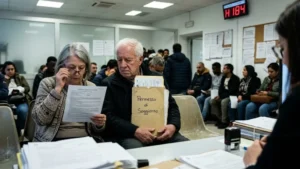
The dream is real, but so is the paperwork, the waiting, the language barrier, and the stress of trying to figure out a new system while making big decisions.
People still make the move because, for many, the trade-off feels worth it.
People Want a Different Kind of Life
Most people are not moving to Italy because they think everything will be easier.
They’re moving because they want something different.
For some, that means a slower daily rhythm:
- Meals take longer
- Shops may close in the middle of the day
- People still talk to each other in the street
- Family life is more visible
There’s often less pressure to make every hour productive, and that shift matters more than many people expect.
If you’ve spent years feeling like life is all admin, commuting, and work, Italy can look like a reset.
For others, it’s about quality of life in a more practical sense:
- Being able to walk to a bakery
- Buy fresh produce nearby
- Spend time outdoors
- and live in a place where community still feels local
In many parts of Italy, daily life can feel more grounded and human.
This is one reason smaller regions get so much attention.
Not everyone wants Milan or Rome.
Many English- and German-speaking expats are actively looking for places where life feels authentic rather than polished for tourists.
Cost of Living Still Matters
Let’s be honest — affordability is a major part of the conversation.
Many people coming from the US, the UK, Germany, or northern Europe are comparing Italy to places where rent, utilities, and everyday expenses have climbed sharply.
Italy is not cheap everywhere, and major cities can still be expensive, but many towns and smaller coastal or inland areas offer a very different equation.
That difference can be especially attractive for remote workers, retirees, couples making a lifestyle move, or families trying to stretch their budget without giving up beauty, culture, and access to services.
In places like Abruzzo, for example, people are often surprised by how much more space and calm they can afford compared with larger, more internationally visible regions.
Of course, the cost of living depends heavily on location and expectations.
If you want a fully renovated apartment in a historic centre with sea views, your budget needs to reflect that.
If you’re open to a less obvious town, older housing stock, or a bit more flexibility, Italy can become much more accessible.
The Tax Incentives Are a Real, Growing Factor
This is one of the most concrete, underappreciated reasons people are moving to Italy specifically right now, and it’s worth understanding both major incentives clearly.
The 7% flat tax for retirees
Foreign pensioners who move their tax residency to a qualifying small Italian municipality — and Abruzzo has many of these — can apply for a flat 7% tax rate on foreign-sourced income for up to 10 years, instead of Italy’s standard progressive rates.
We’ve covered how this works and who qualifies.
For retirees with substantial pension or investment income, this single incentive can make Italy more financially attractive than long-favoured alternatives like Portugal or Spain.
The regime impatriati for workers and remote employees
For people who are still working — including remote employees of foreign companies — Italy’s regime impatriati (“inbound workers regime”) offers a genuinely significant tax break.
As Impatria’s 2026 guide explains, qualifying individuals only pay income tax on 50% of their Italian-sourced income (60% if you move with a minor child), for five years, up to an annual income cap of €600,000.
Crucially, a January 2026 ruling from the Agenzia delle Entrate confirmed that this benefit extends to people working fully remotely for a foreign employer, as long as they’re tax residents in Italy and physically performing the work from Italian soil.
This is a meaningful clarification for the growing number of remote workers considering the move: eligibility depends on tax residence and physical presence, not on who pays your salary.
To qualify, you generally need to:
- Not have been an Italian tax resident for the three years before your move (longer if returning to the same employer)
- Commit to remaining an Italian tax resident for at least four years
- Hold a bachelor’s degree or higher, or significant relevant professional experience
- Perform the majority of your work physically from Italy (at least 183 days a year)
⚠️ Tax regimes and eligibility rules change. Always verify current requirements with a qualified Italian tax advisor before making relocation decisions based on these incentives.
People Want Beauty to Be Part of Ordinary Life
One reason Italy keeps pulling people in is that beauty is not treated as a luxury.
It shows up in everyday places.
That might mean a coffee in a piazza with a mountain view, a weekly market that still feels local, or simply the fact that even routine errands happen in streets with history and character.
For people who feel worn down by anonymous suburbs, traffic, and a constant sense of hurry, this can be deeply appealing.
There’s also the landscape itself:
- Sea
- Hills
- Vineyards
- Olive groves
- Medieval towns
- National parks
Italy offers a wide range of environments within relatively short distances.
That creates options.
Some people want coastal living.
Others want village life.
Others want to be near an airport while still feeling far away from city stress.
What matters is not just that Italy is beautiful.
It’s that many people believe life here allows them to enjoy that beauty more regularly, not just during two weeks of vacation.
Food and Culture Are Part of the Move
This may sound obvious, but it still matters.
People move for lifestyle, and food is part of lifestyle.
Italy offers a food culture that remains closely tied to place, season, and routine.
Eating well doesn’t always require a special occasion.
That can be a major change for people used to fast, expensive, heavily processed convenience food culture.
The same goes for social habits around meals, coffee, festivals, and weekends.
Then there’s the wider cultural pull.
Art, architecture, local traditions, regional identity, and a strong sense of place all add up to something many movers feel is missing elsewhere.
Even people who aren’t especially romantic about Italy often say the same thing after arriving: everyday life feels richer here.
That doesn’t mean every day feels magical.
Sometimes, everyday life feels like waiting in line, getting confusing information, or realising the office you needed is closed.
But culture in Italy is not separate from normal life.
It’s woven into it.
Remote Work Changed the Equation
A major reason more people are moving now is that work is no longer tied to one office in one country.
Remote and flexible work opened the door for people who had dreamed about living abroad but could never make the logistics fit.
Once location became negotiable, lifestyle became a much bigger factor.
People started asking harder questions about where they actually wanted to wake up every day.
And as the regime impatriati clarification above shows, the financial case for relocating while keeping a foreign job has genuinely improved, not just the lifestyle case.
Italy benefits from that shift because it offers something many remote workers want:
- a better balance between work and life
- access to nature
- strong local identity
- and more affordable areas outside the major hotspots
If you can do your job from your laptop, the appeal of settling somewhere with sunlight, community, and good food becomes very real.
Still, this is where expectations need to stay realistic:
- Not every apartment is ready for a smooth work-from-home setup
- Internet quality varies
- Paperwork can take time
- Rental searches can be confusing if you’re trying to manage everything from abroad
The move works best when people plan for the practical side as carefully as the lifestyle side.
Why People Moving to Italy Often Choose Smaller Regions
Some people arrive thinking only about Tuscany, Lake Como, or the Amalfi Coast.
Then they begin researching seriously and realise that popularity comes with trade-offs:
- More expensive housing
- Higher competition
- More tourism
- Less day-to-day normality
That’s why many expats end up looking at places that are less internationally famous but far more livable.
It gives people mountains, beaches, historic towns, and a strong local identity without the price tag and crowd levels of better-known regions.
For many expats, that balance is exactly the point.
They want the Italy they imagined, but they also want a place where they can actually build a life, register locally, set up the utilities, find a home, and settle into a routine that feels sustainable.
That’s often where the fantasy becomes real.
Not in the postcard version of Italy, but in the practical version.
The one where you know which town fits your needs, how far you are from the train station, whether winter feels too quiet, and what support you’ll need to get started.
The Emotional Reasons Matter Too
Not every move is about money, weather, or remote work:
- Some people move after burnout
- Some after divorce, retirement, grief, or a major life reevaluation
- Some are simply tired of living in places that feel isolating
Italy represents possibility for them, not perfection.
A fresh start matters, and place can play a huge role in that.
There’s also something reassuring about moving somewhere with strong local rhythms.
Newcomers often find comfort in markets, familiar café routines, neighbourly interactions, and a stronger sense of seasonality.
These things don’t solve everything, but they can make life feel more anchored.
But at the same time, relocation can be lonely and disorienting, especially in the first months.
Missing home, struggling with language, and feeling dependent on others is common.
The people who settle best are usually not the ones chasing a fantasy.
They’re the ones who understand that starting over takes patience, support, and a willingness to learn how things work locally.
Italy Is Appealing, But It’s Not Friction-Free
This is the part many people need to hear.
Italy can offer a wonderful lifestyle, but it often asks for flexibility in return:
- Administrative processes may feel slow
- Information can be inconsistent
- Apartment searches may require local knowledge
- Setting up utilities, internet, and residency appointments can become much more stressful
Especially when you’re doing it all alone and in another language.
That doesn’t mean you shouldn’t move.
It means the move tends to go better when you don’t try to figure out everything alone.
A little on-the-ground, local guidance can save a huge amount of time, confusion, and second-guessing, especially in the first few months when everything feels unfamiliar.
For many expats, that support is the difference between feeling constantly overwhelmed and actually being able to enjoy the life they came for.
The real answer to why people are moving to Italy is not that Italy is perfect.
It’s that more people are deciding a calmer, more connected, more meaningful daily life is worth building — backed by an attractive financial case —, even if getting there takes patience.
—
Thinking About Your Own Move to Italy?
Whether the pull for you is the lifestyle, the tax incentives, the food, or all of it at once, turning that interest into an actual, well-planned move is a different step — and one we help with every day.
At Wanderlust Abruzzo, we support English- and German-speaking expats through every stage of relocating to Abruzzo, from understanding which incentives might apply to you, to finding the right home and settling in with confidence.
Get in touch today and let’s talk about your move to Italy
—
Frequently Asked Questions
Why are so many people moving to Italy right now?
A combination of lifestyle and financial factors: a slower, more connected pace of life; significantly lower living costs in many regions compared to the US, UK, and northern Europe; genuine tax incentives like the 7% flat tax for retirees and the regime impatriati for workers; the normalisation of remote work removing location constraints; and a strong cultural and culinary identity that’s part of daily life rather than a holiday extra.
What tax incentives are available for people moving to Italy?
The two most relevant for most expats are the 7% flat tax for foreign retirees who move to a qualifying small municipality (valid for up to 10 years), and the regime impatriati for working professionals and remote employees, which exempts 50–60% of Italian-sourced income from tax for five years. Eligibility rules differ significantly between the two, so it’s worth checking which, if either, applies to your specific situation.
Can remote workers get tax benefits for moving to Italy?
Potentially, yes. A January 2026 ruling from the Agenzia delle Entrate confirmed that the regime impatriati can apply to people working fully remotely for a foreign employer, provided they become Italian tax residents and physically perform their work from Italy. The qualification criteria around prior non-residency and professional qualifications still apply, so it’s worth checking eligibility with a tax professional.
Is it cheaper to live in Italy than in the US or the UK?
In many regions, yes, sometimes significantly so. Major cities like Milan, Rome, and Florence can be expensive, but smaller regions and towns — particularly in central and southern Italy — offer a meaningfully lower cost of living compared to the US, especially for housing. The exact comparison depends heavily on your specific lifestyle and location choice.
What’s the biggest challenge for people moving to Italy?
Italian bureaucracy and the language barrier are consistently the most commonly cited challenges, regardless of why someone is moving. Administrative processes can be slow and inconsistent, and tasks that sound simple often take longer than expected. Most people find this manageable with realistic expectations and the right local support, rather than trying to navigate every step alone.


 English
 Deutsch